
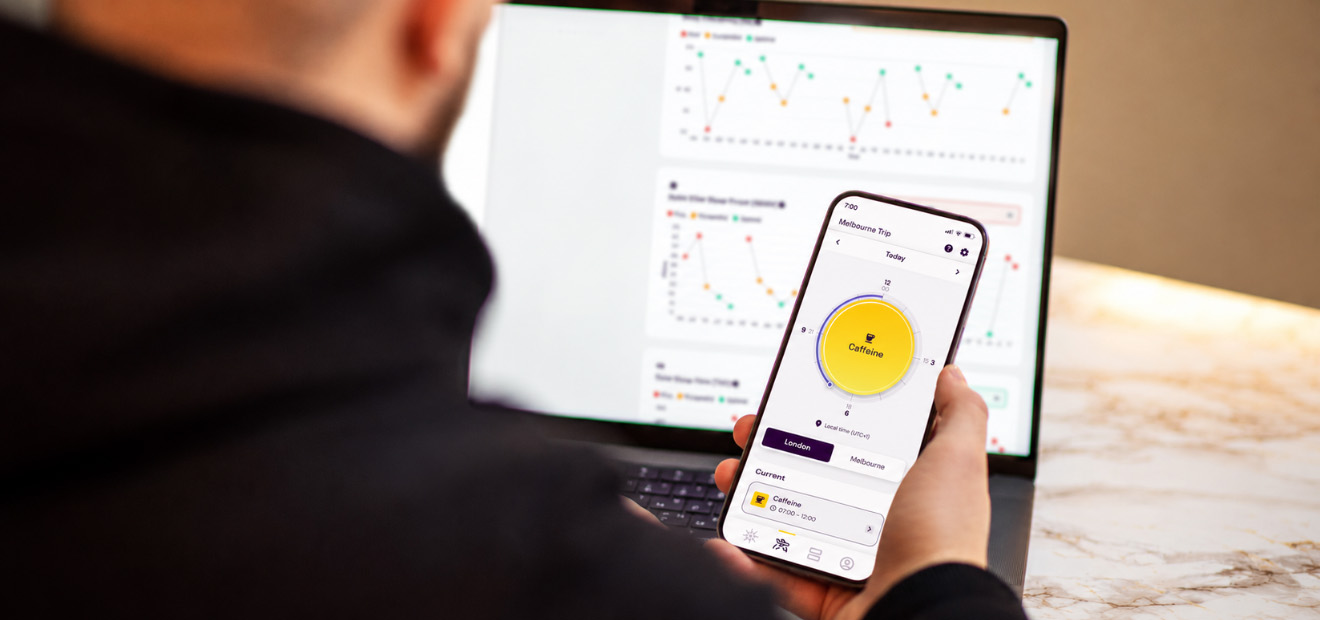
Built Around How Athletes and Practitioners Actually Engage
The latest Phaze update represents the next evolution of our app, shaped by nine months of beta testing with more than 500 athletes, coaches, employees and team members.
Throughout this period, we have worked closely with practitioners and users to understand not only what guidance they need, but how they prefer to receive it. Personalisation matters, but so do clarity, timing and ease of use.
Phaze must work for practitioners, giving them confidence that each person receives guidance aligned with the team’s wider performance, recovery and travel strategy. It must also engage the individual, educating and guiding them before, during and after air travel, particularly when they are away from the direct supervision of their support team.
Travel Performance is a 24-hour challenge. What someone does throughout each part of the day can influence their sleep, circadian alignment, recovery and readiness to perform. A coach cannot always be on hand, nor can they personalise to each individual’s sleep needs. Our role is to make the right action clear at the right moment.
What We’ve Learned From 500+ Athletes, Coaches and Team Members
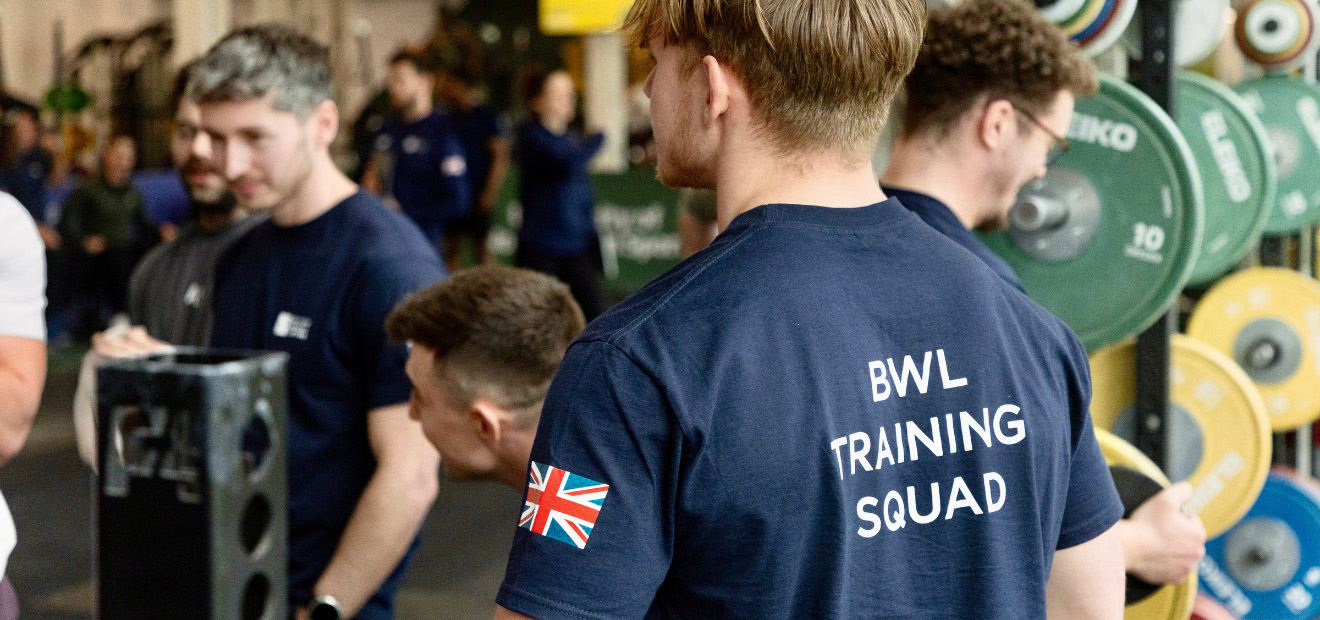
We have observed how athletes, coaches and employees engage with Phaze across different sports, organisations, roles and travel environments. Several themes have consistently emerged.
Personalised Travel Performance Guidance Should Still Feel Simple
Users value personalisation, but they also want to understand what the next hour, day or multi-day period looks like within seconds. The complexity should sit behind the platform, not in front of the user.
–
Different Users Need Different Ways to View Their Travel Schedule
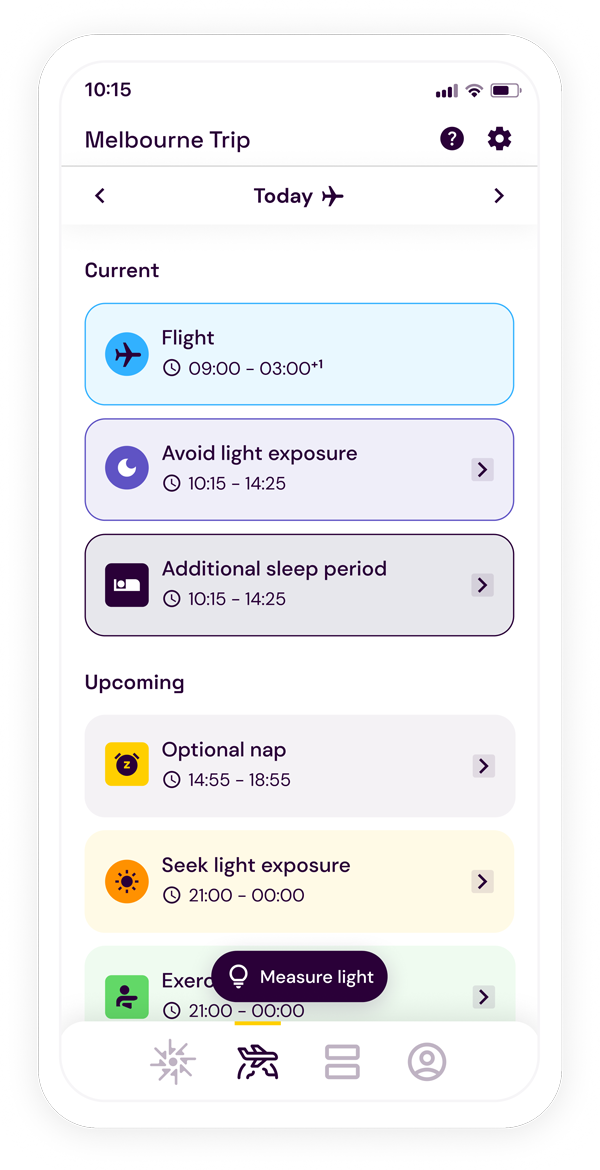
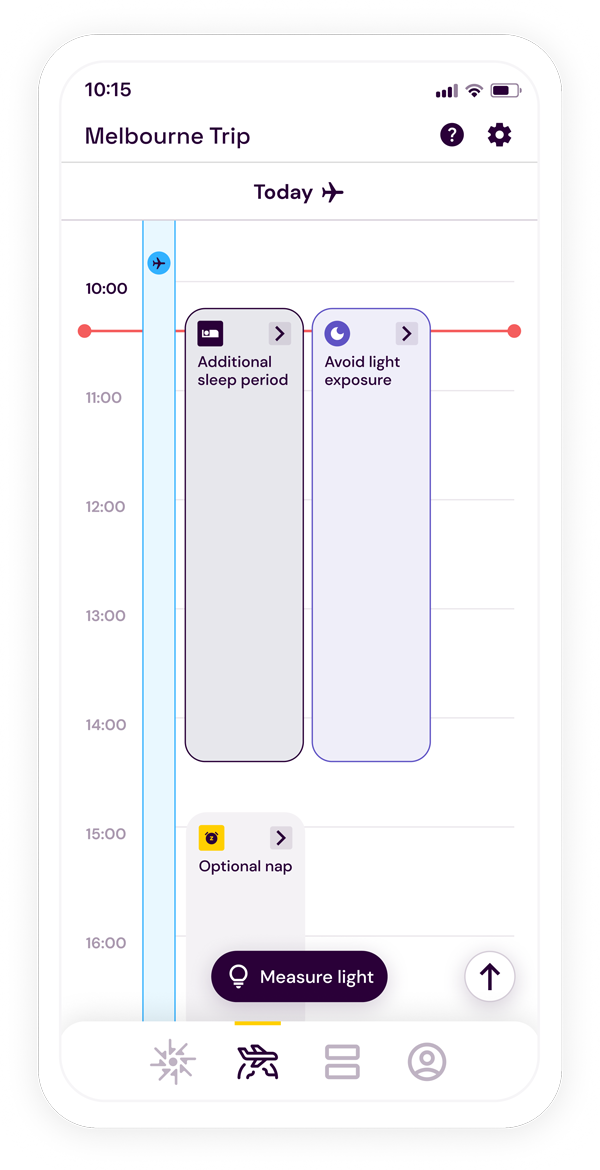
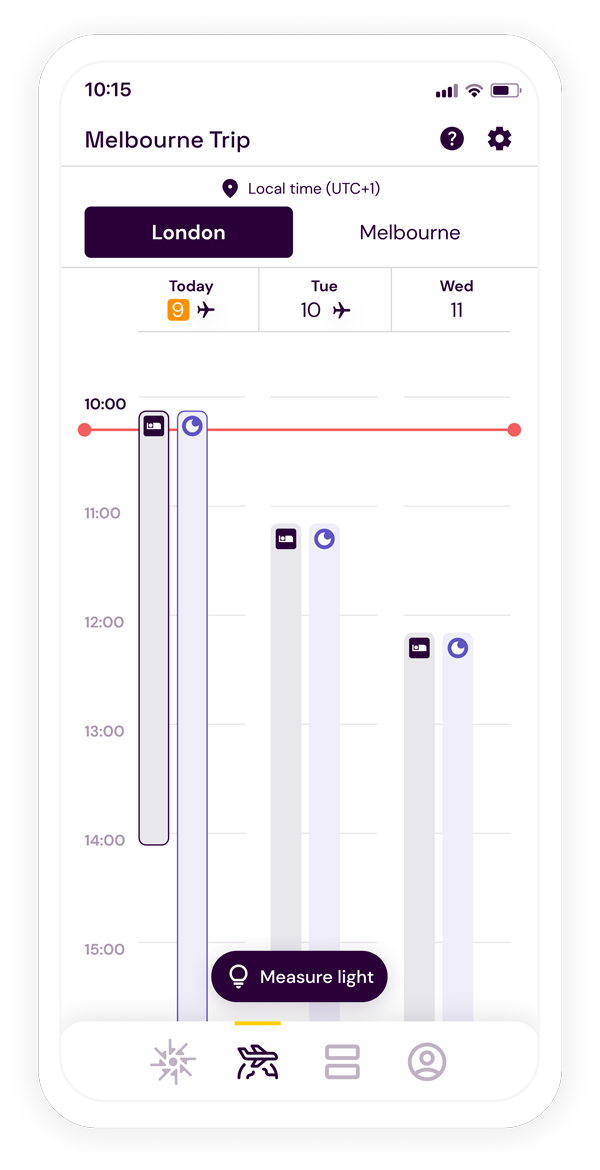
Some users prefer a visual timeline, while others want the structure and detail of a list. Familiar digital behaviours also matter. For example, people who regularly use calendar-based apps often find a timeline view more intuitive.
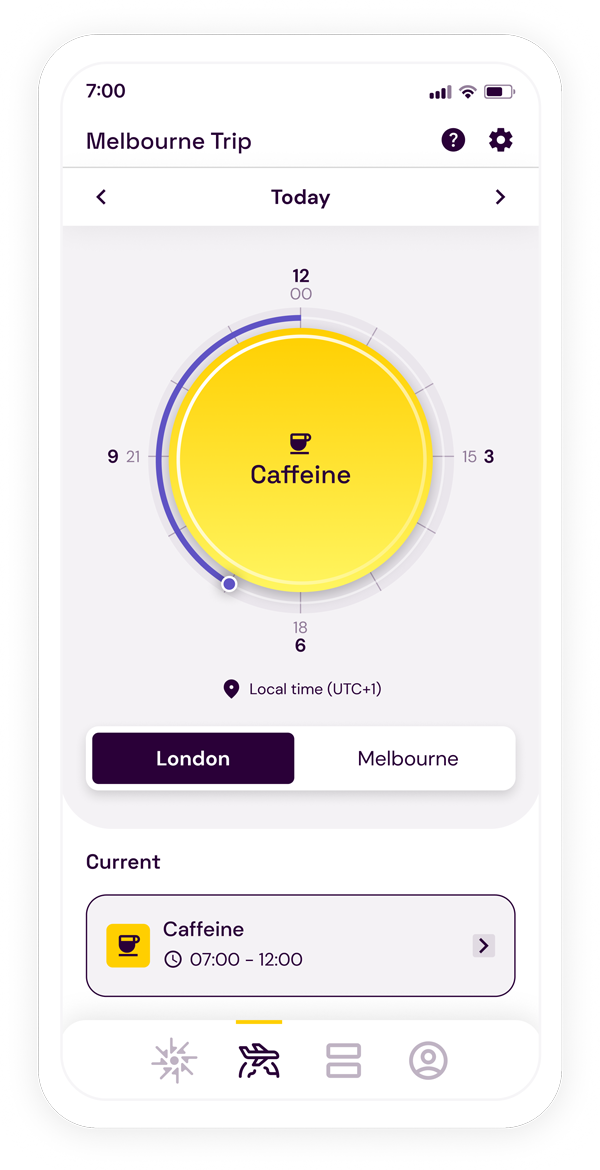
Rather than expecting every user to engage the same way, the updated app lets people view their schedule in the format that works best for them.
–
Why Timing Matters for Travel Performance Recommendations
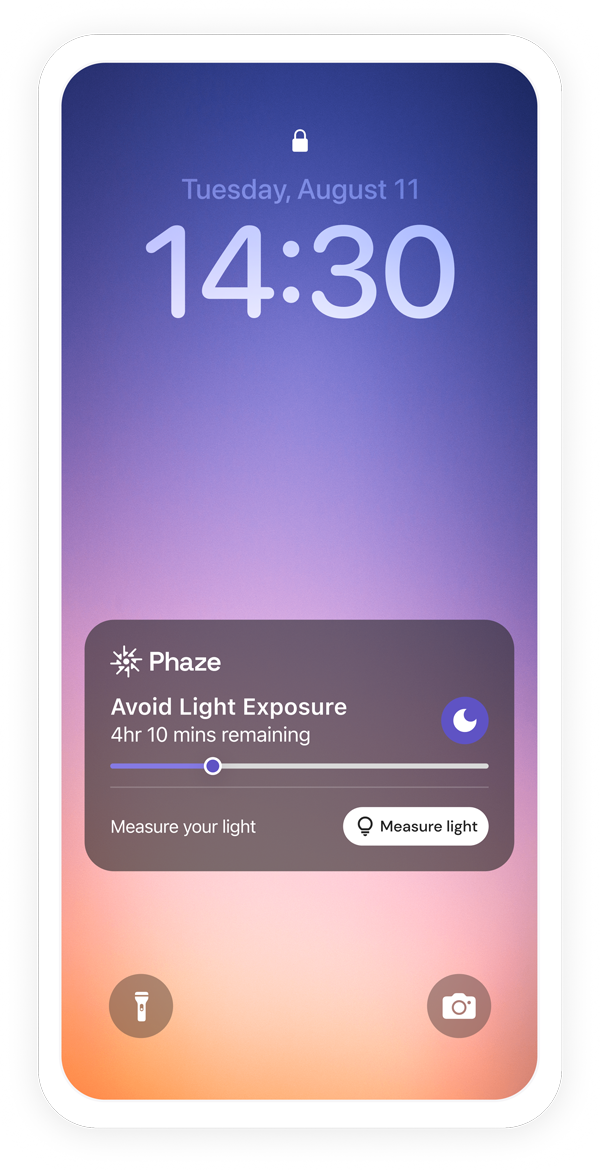
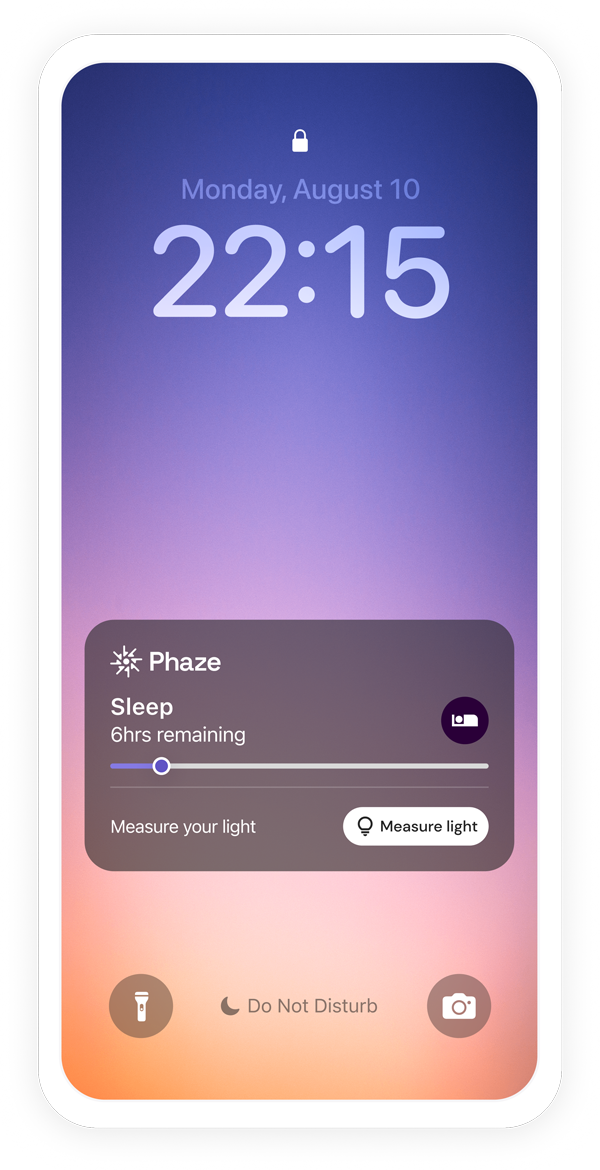
Notifications and widgets are powerful because they bring guidance into the user’s day when it becomes relevant. Most people are interested in learning more, but education needs to feel accessible, timely and organic, not overly technical or demanding.
–
How Small User Experience Improvements Can Improve Engagement
Seemingly minor refinements; fewer steps, clearer wording, faster navigation and better visual hierarchy, can have a significant effect on engagement and adherence. When someone is travelling, tired or operating under pressure, every unnecessary point of friction matters.
The Thinking Behind the Redesign
The redesign focused on making personalised Travel Performance guidance easier to understand and act upon.
We wanted schedules to be quicker to interpret, practitioners to have greater visibility over upcoming plans, and users to receive relevant support throughout every stage of their journey.
This was not about reinventing the platform. It was about refining the entire user experience so that Phaze works effectively for people with different roles, backgrounds, preferences and levels of scientific understanding.
What’s New in the Phaze App?
The latest release introduces several important improvements:
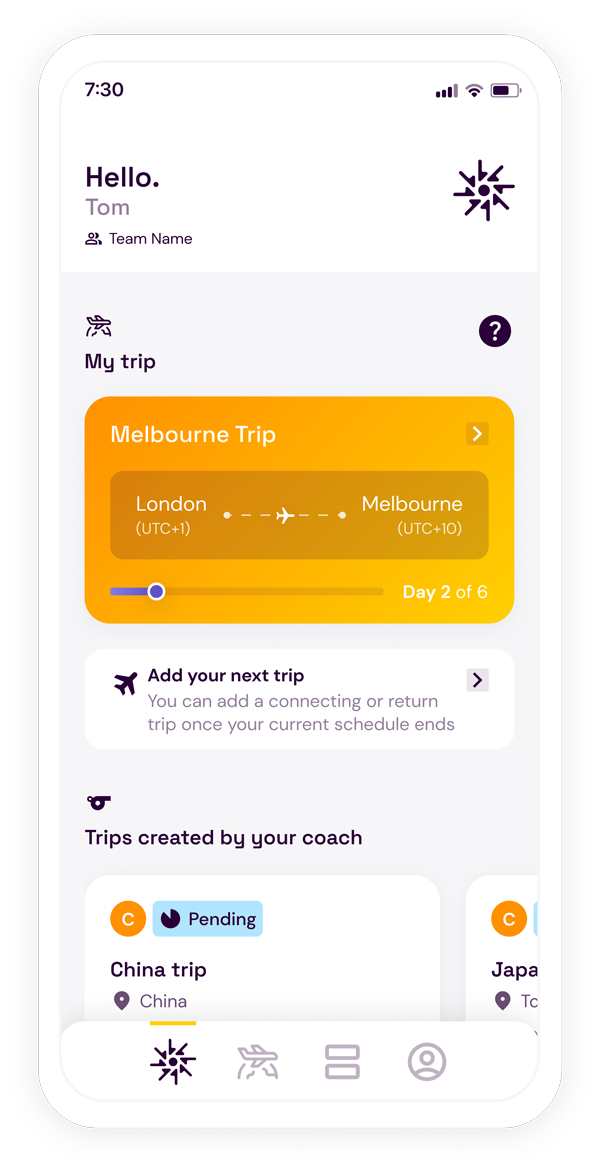
- Multiple schedule views, including List, Timeline and Overview
- A faster, more intuitive onboarding experience
- Improved notifications, widgets and educational insights
- Clearer presentation of personalised recommendations
- Further refinements to the Phaze scheduling algorithm
- A smoother experience across the complete user journey
Together, these changes make it easier for users to see what they need to do, understand why it matters and follow their plan wherever they are.
Why the Phaze App Update Matters
Phaze exists to help athletes, employees and teams manage the demands of air travel more effectively.
That means supporting better strategies around travel fatigue, jet lag, sleep, recovery and circadian alignment, with the ultimate goal of improving readiness and performance at the destination.
Decades of peer-reviewed research demonstrate the importance of behavioural strategies such as appropriately timed sleep, light exposure, caffeine, activity and recovery. Digital technology lets us translate that evidence into personalised, practical guidance delivered at scale.
However, air travel is rarely simple. Every journey involves a different combination of time zones, flight schedules, performance requirements, individual characteristics and organisational priorities. This complexity is one reason travel strategies have traditionally been generic or applied uniformly across an entire team.
Phaze brings the key components of Travel Performance together and translates them into clear, actionable guidance. Crucially, recommendations are built around the individual and the organisation’s performance objectives, not simply the destination or the number of time zones crossed.
What comes next for Phaze?
This release is another important step, but it is not the end of the platform’s development.
We will continue releasing new features and refinements each month, informed by user feedback, practitioner experience and developments in the science.
As we learn from the athletes, employees, practitioners and organisations using Phaze in real-world environments, the platform will continue to evolve alongside their needs, making personalised Travel Performance increasingly accessible, practical and effective.
References
- Uchiyama K, Peeling P, Halson SL, et al. Immediate effects of overnight long-haul travel on physical and cognitive performance and sleep in professional male rugby union players (a 2-part study). International Journal of Sports Physiology and Performance. 2025. https://doi.org/10.1123/ijspp.2024-0328
- Fabunmi OA, Jansen van Rensburg A, Vitale JA, et al. Unpacking the impact of travel and jet lag on sleep and performance of athletes: a narrative review. Current Sleep Medicine Reports. 2026;12:18. https://doi.org/10.1007/s40675-026-00355-1
- Doherty R, Madigan SM, Nevill A, Warrington G, Ellis JG. The impact of long-haul travel on the sleep of elite athletes. Neurobiology of Sleep and Circadian Rhythms. 2023;15:100102. https://doi.org/10.1016/j.nbscr.2023.100102
- Thun E, Bjorvatn B, Flo E, Harris A, Pallesen S. Sleep, circadian rhythms, and athletic performance. Sleep Medicine Reviews. 2015;23:1–9. https://doi.org/10.1016/j.smrv.2014.11.003
- Augsburger GR, Sobolewski EJ, Escalante G, Graybeal AJ. Circadian regulation for optimizing sport and exercise performance. Clocks & Sleep. 2025;7(2):18. https://doi.org/10.3390/clockssleep7020018
- Ayala V, Martínez-Bebia M, Latorre JA, et al. Influence of circadian rhythms on sports performance. Chronobiology International. 2021;38(11):1522–1536. https://doi.org/10.1080/07420528.2021.1933003
- Drust B, Waterhouse J, Atkinson G, Edwards B, Reilly T. Circadian rhythms in sports performance—an update. Chronobiology International. 2005;22(1):21–44. https://doi.org/10.1081/CBI-200041039
- Atkinson G, Todd C, Reilly T, Waterhouse J. Diurnal variation in cycling performance: influence of warm-up. Journal of Sports Sciences. 2005;23(3):321–329. https://doi.org/10.1080/02640410410001729919
- Atkinson G, Speirs L. Diurnal variation in tennis service. Perceptual and Motor Skills. 1998;86(3 Pt 2):1335–1338. https://doi.org/10.2466/pms.1998.86.3c.1335
- Pullinger SA, Oksa J, Clark LF, et al. Diurnal variation in repeated sprint performance cannot be offset when rectal and muscle temperatures are at optimal levels (38.5°C). Chronobiology International. 2018;35(8):1054–1065. https://doi.org/10.1080/07420528.2018.1454938
- Facer-Childs ER, Brandstaetter R. The impact of circadian phenotype and time since awakening on diurnal performance in athletes. Current Biology. 2015;25(4):518–522. https://doi.org/10.1016/j.cub.2014.12.036